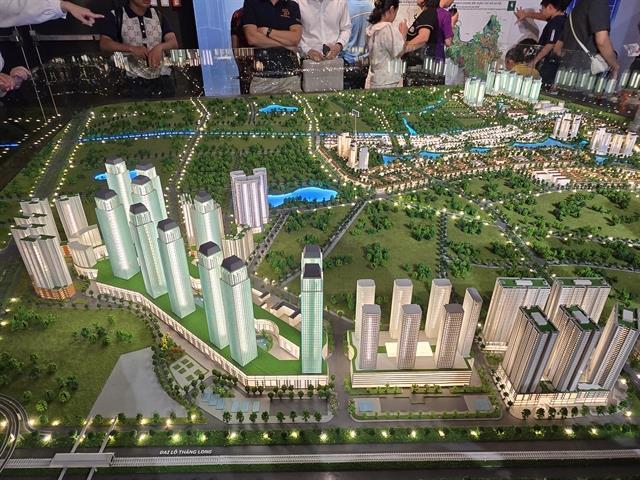

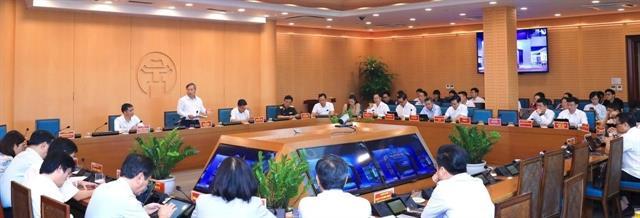
The master plan with a 100-year vision reflects the capital''s aspiration to strengthen its role as Việt Nam''s leading economic centre through clearly defined development targets and a comprehensive implementation programme.
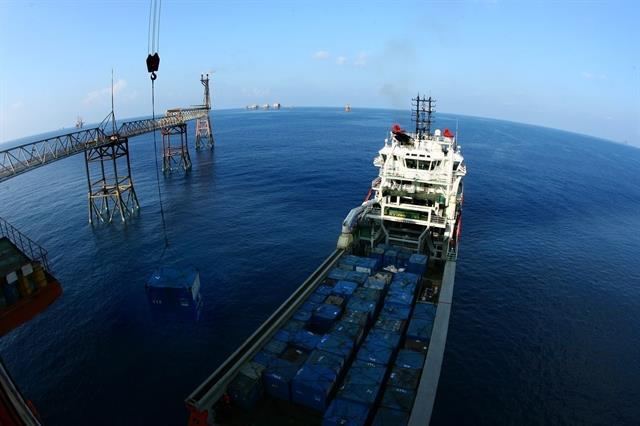
The oil and gas industry no longer enjoys the favourable conditions of previous decades, with many major oil and gas fields entering decline while new discoveries are increasingly located in deeper waters, requiring higher investment, more advanced technology and stricter...
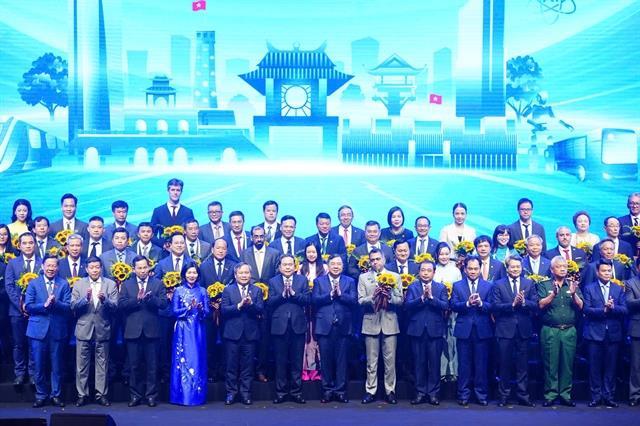
Artificial intelligence (AI), smart urban development, advanced manufacturing, green finance and high-quality human resources emerged as key areas where businesses said they would deepen cooperation with the city to help realise its long-term ambitions.
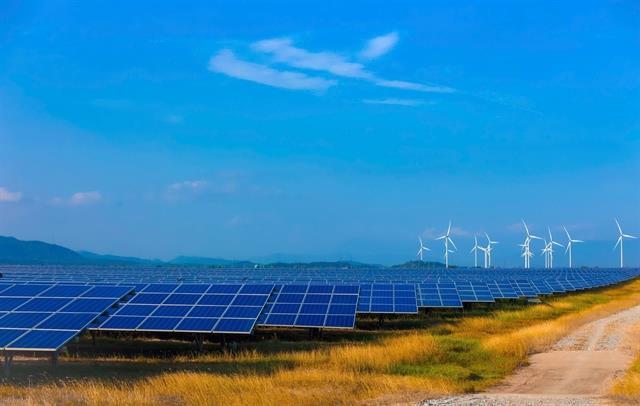
Renewable energy and nuclear power now account for around 42 per cent of global electricity generation, while wind and solar power are on track to overtake coal as the world''s top source of electricity.
At the event, Hà Nội authorities plan to grant investment policy decisions and investment registration certificates to 20 exemplary projects and sign some 48 memorandums of understanding with domestic and international partners.
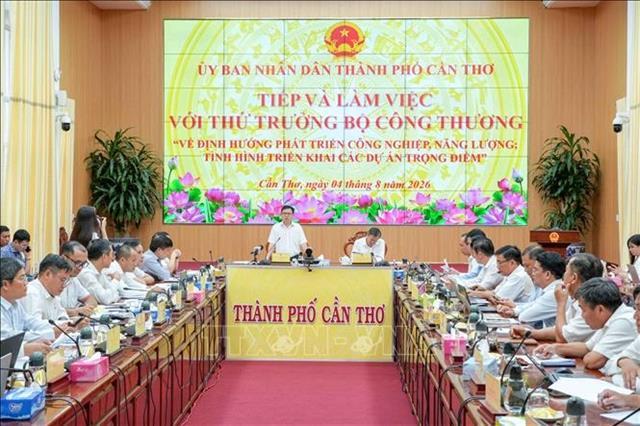
Việt Nam must accelerate its energy transition and remove longstanding bottlenecks in infrastructure and institutional frameworks to sustain double-digit economic growth.
The Government''s public investment plan for 2026 totals VNĐ1.08 quadrillion, the largest on record and about VNĐ175 trillion higher than the 2025 plan, the ministry said.
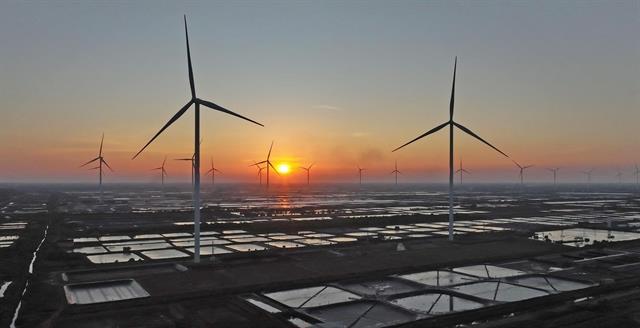
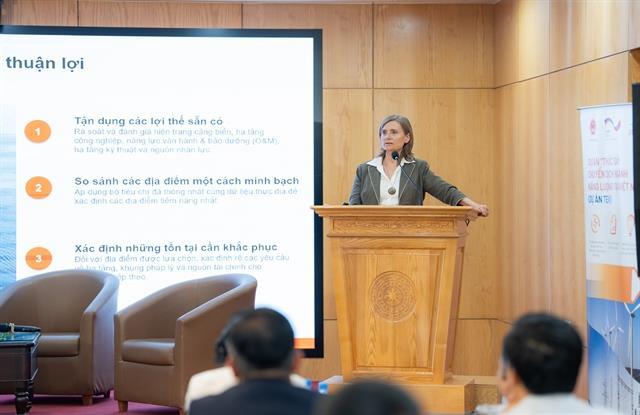
Việt Nam’s wind power ambitions face persistent hurdles over financing, transmission infrastructure and policy clarity despite strong growth potential and rising energy demand nationwide.
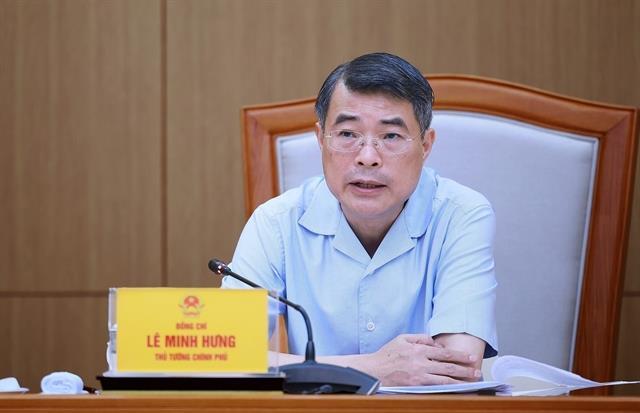
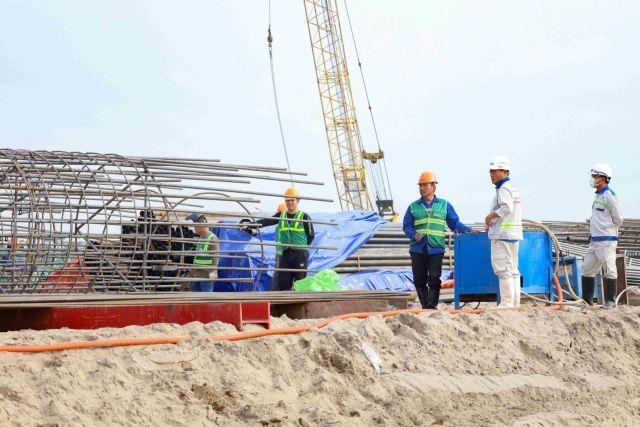
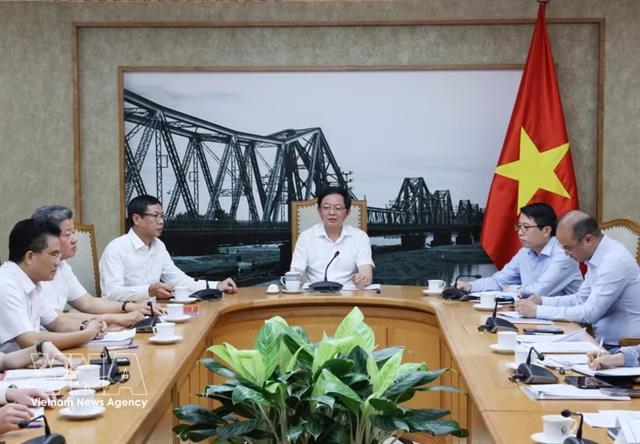
Deputy Prime Minister Phạm Gia Túc has ordered the acceleration of major power and energy projects to ensure they meet energy security and economic growth targets.
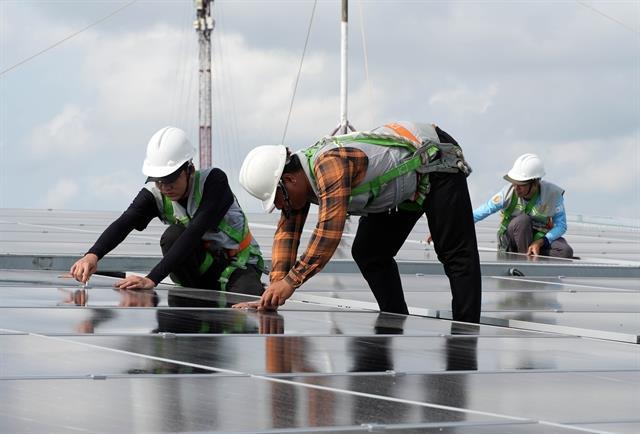
To sustain GDP growth of around 10 per cent, electricity demand is expected to increase by 12-15 per cent annually, requiring an additional 7,000-8,000 MW of new capacity each year.
The publication comes as Việt Nam faces rising electricity demand driven by rapid economic growth and industrial expansion, while also seeking to reduce greenhouse-gas emissions under its international climate commitments.
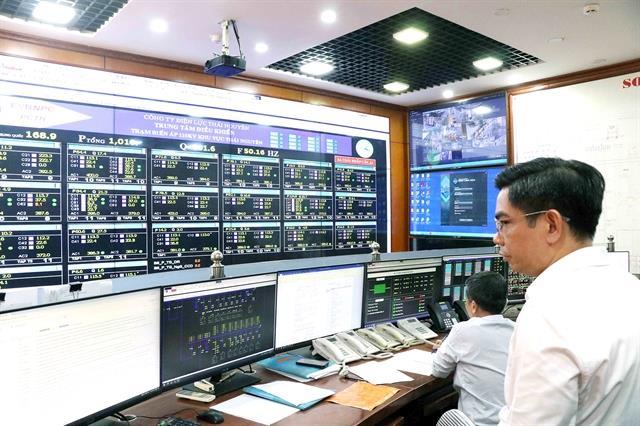
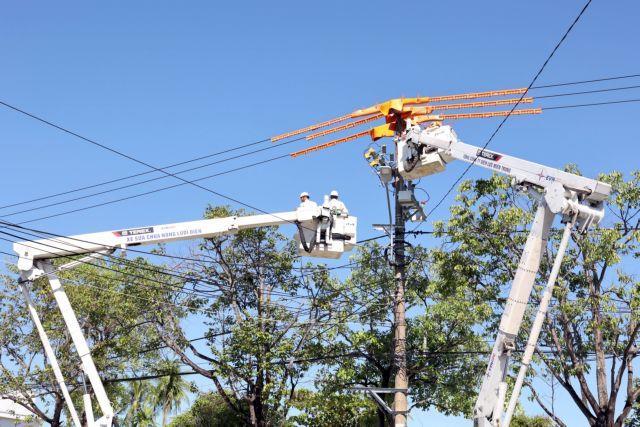
From operating the power system and supplementing supply sources to promoting electricity conservation and developing battery energy storage systems (BESS), a wide range of measures are being deployed to ensure stable power supply during periods of extreme demand.
Việt Nam is looking to unlock the vast potential of its nearly 8,000 reservoirs to drive sustainable aquaculture growth, boost rural livelihoods and strengthen the fisheries value chain.